Bridging Disciplines: The iRTG Summer School 2025 in Lübeck
From September 8–12, 2025, doctoral candidates and researchers from the Collaborative Research Centre “Sexdiversity” (CRC 1665) gathered at the Institute for Medical History and Science Ethics (IMGWF) in Lübeck for an intensive five-day Summer School. This year’s theme was dedicated to a core value of the CRC: interdisciplinarity.
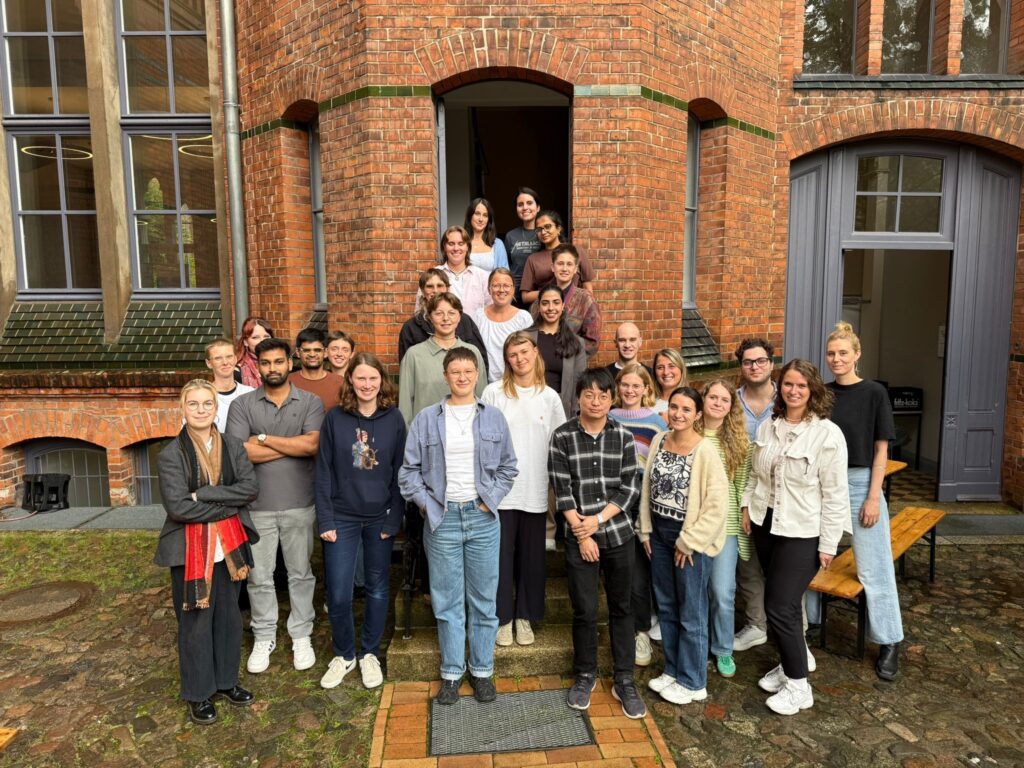 Picture 1: Group photo of MD and PhD candidates participating in the iRTG Summer School 2025 of the CRC “Sexdiversity”.
Day 1: Setting the Tone
After a warm welcome and some practical introductions, the Summer School began with the first round of PhD presentations. During this session, PhD students shared their personal experiences with interdisciplinary collaboration—opening the week with reflections on both the opportunities and challenges of working across disciplinary boundaries. This provided a strong foundation for the week ahead, with participants offering concrete examples of what cross-disciplinary collaboration looks like in practice.
The opening talk by Janu Milella and Viviana Verde, “Game Changer: An Experimental Approach to Interdisciplinary Collaboration”, explored the differing research approaches of neuroscience and medical history, showing how each discipline frames questions, generates evidence, and interprets findings. Prathiksha Ramesh and Zelda Wenner shared reflections on their own interdisciplinary exchange. Zelda, a sociologist, visited Prathiksha’s biomedical lab, navigating initial uncertainties from unfamiliar methods to disciplinary jargon. By engaging directly with each other’s research environments, they gained a deeper understanding of how knowledge is produced across fields.
The evening closed in a relaxed atmosphere with a pizza gathering by the waterfront, giving PhD students the chance to reconnect and meet new colleagues.
Day 2: Exploring Interdisciplinarity
The second day began with two workshops on interdisciplinarity. Kerstin Palm discussed cross-disciplinary collaboration within the SFB, while Birgit Nemec shared her experiences pursuing an interdisciplinary PhD. Together, they encouraged participants to consider how collaboration reshapes communication, challenges assumptions, and redefines disciplinary boundaries. The sessions highlighted that interdisciplinary research is not just about combining expertise, but also about developing a shared language and mutual understanding among team members.
The afternoon consisted of further PhD presentations, introducing concepts of AI and deep learning and highlighting diverse biomedical research, including experimental methods, clinical studies, and genetic analyses. Several participants joined a parallel stakeholder workshop to contribute to panel discussions on basic research and oral history methods. The day concluded with a dinner at the IMGWF, providing another opportunity for all participants to exchange ideas with members of the networking workshops.
Day 3: PhD Presentations
The third day continued with PhD presentations. Instead of the usual progress reports, participants could choose topics freely, allowing them to introduce central concepts and contextualize their work for colleagues from other fields. This approach not only strengthened mutual understanding but also mirrored the CRC’s mission of advancing knowledge through the integration of perspectives from the humanities, social sciences, and biomedical research. The topics showcased this diversity, spanning foundational concepts in law and medical ethics, critical perspectives in psychology, social experiences, innovative biomedical techniques, and patient-centered discussions of health and identity. A refreshing highlight was the group viewing of the standup comedy show “ALOK: Biology!” which sparked reflections from a different angle. The evening ended with dinner alongside guest speaker John Achermann.
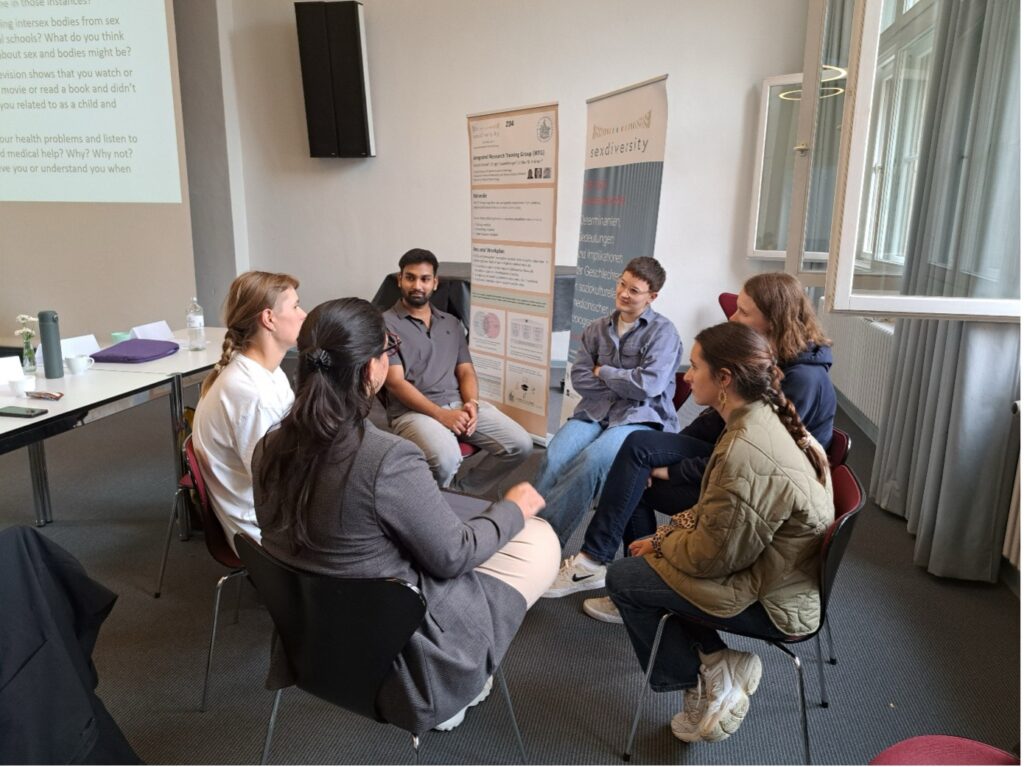
Picture 2: Summer School participants discussing insights from the guest lectures.
Day 4: Guest Speakers
Day four featured two inspiring guest lectures. Professor John Achermann offered a retrospective on “25 years of interdisciplinary research and practice” in human sex development, sharing lessons from decades of work in the field. Achermann’s talk provided participants with a comprehensive overview of human sex development, covering topics such as basic developmental biology and genetics, evolving nomenclature and classification systems, and the role of differences in sex development (DSD) in clinical practice. He highlighted the importance of inter- and multidisciplinary teams, illustrating how collaboration between endocrinologists, geneticists, urologists, psychologists, and ethicists shapes patient care. Addy Berry spoke on “Intersex, intersex lived experience, and what it means for the rest of us.” Berry’s contribution not only introduced participants to their research but also underscored the importance of lived experience as a form of knowledge, enriching academic perspectives with personal realities. Together, these talks offered complementary perspectives on the field. The day wrapped up with a queer city tour exploring Lübeck.
Day 5: Reflection and Future Planning
The final day was dedicated to reflection and forward planning. Outgoing PhD representatives and the Ombuds team shared their experiences, offering guidance and perspective to new representatives. Participants elected new PhD representatives and engaged in discussions about upcoming events within the iRTG. The iRTG presented its budget planning transparently, and participants contributed feedback as well as ideas for the coming year’s program. The week concluded with a celebratory aperitif and farewell lunch, providing a final opportunity for connection and reflection.

Picture 3: Farewell
Takeaway
The Summer School offered participants much more than a typical progress-report setting. The decision to allow PhD students the freedom in choosing their presentation topics created valuable space for introducing foundational concepts and making specialized research accessible across disciplines. The program struck a well-balanced rhythm: academic sessions were interspersed with breaks that allowed time for informal conversations and recovery, while energizing activities kept participants engaged throughout. Thoughtful organization, combined with diverse social activities, created a welcoming atmosphere that supported exchange and collaboration. Participants had the opportunity to consider how interdisciplinary work can be approached in a practical setting, reflecting on expectations and ways to navigate collaborative research environments. A heartfelt thanks to everyone who contributed to organizing this week and making it a meaningful experience for all participants!
Greta Ginski
Photo credits: All photos © 2025 CRC 1665.